Image by Pexels


Summary:
Understand the thin line between maturity and sacrifice by understanding the difference between what we truly need and what we simply want.
Did We Become Mature, or Did Circumstances Make Us Grow Up?
“It’s okay. I don’t need it.”
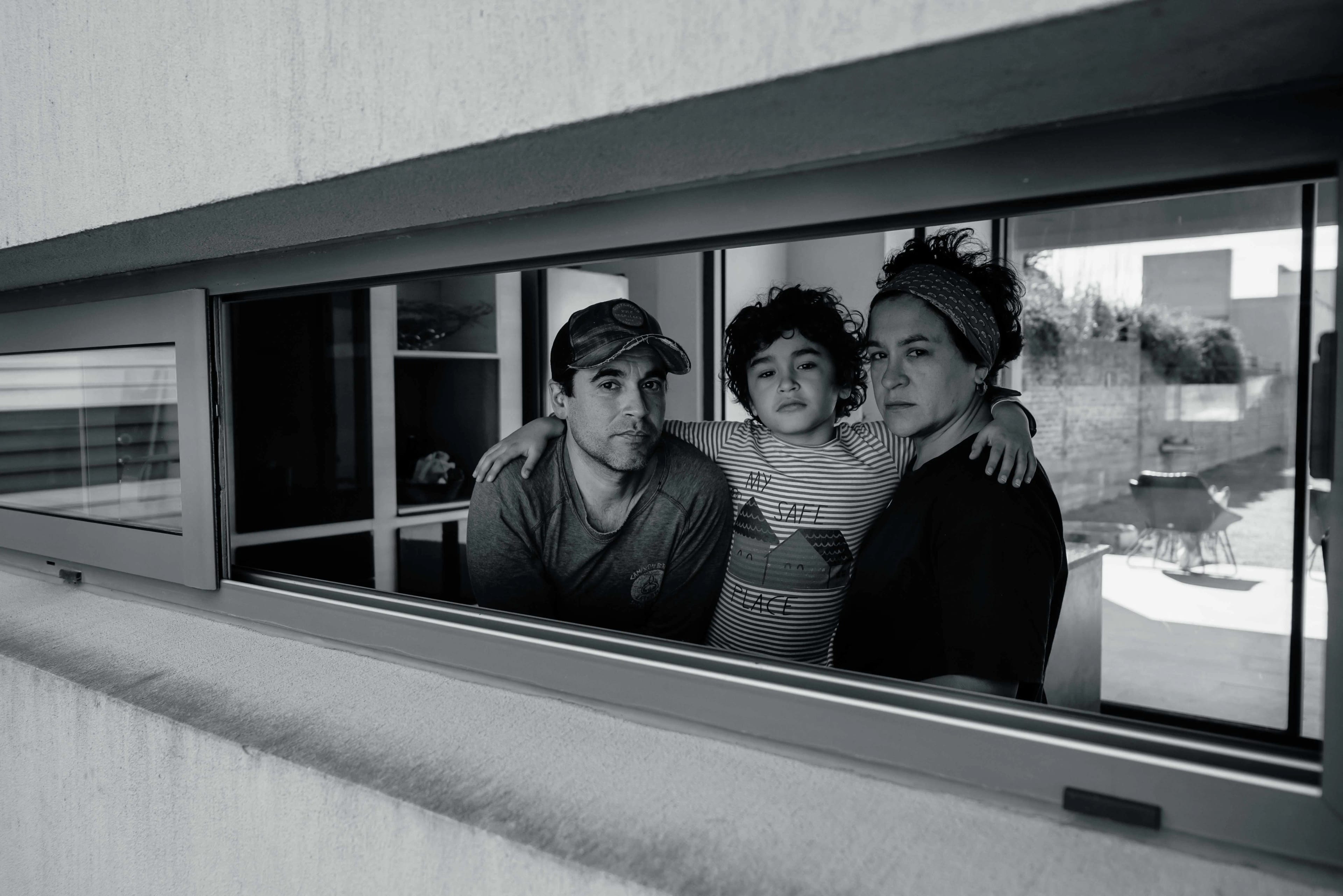
We may hear this from a child when they overhear their parents arguing about expenses. Maybe they would ask for something they really needed, but suddenly another family expense becomes important. In such a situation, the child quietly steps back and learns to adjust to keep things from getting more complicated.
People around them call it maturity. But is it? Perhaps a question worth asking is:
When circumstances make a child grow up early, are we really witnessing maturity, or are we witnessing sacrifice?
The line that creates differentiation between these two words is very thin, but it contributes to shaping the way we look at our needs and wants.
What Do We Really Need?
Children might not know the difference between something they need and something they want. For example, new shoes, because the old ones are torn, are a need. Whereas new shoes, because a friend has brought a trendy one, are a want.
Sacrifice happens when a child’s need is postponed for later due to other important family expenses. But. Maturity is seen when a child itself neglects the want of the latest toy or shoes just because everybody has them.
There is a simple line drawn between both the words, but often confusion is carried into adulthood. We often say, “I need a new phone” or “I need an expensive bag,” whereas what we really mean here is “I really want it.” There is nothing wrong with wanting things, but the problem begins when wants start replacing your needs.
The Difference Between Need and Want
A need is something so important that, without it, real problems can occur. A want is something that deals with our happiness and satisfaction and leads the way to a more comfortable and luxurious life; however, if we try, we can still live without it. The difference between the two is not always clear; however, our wants can be someone’s needs. It is always based on conditions, duties and desired goals.
Questioning ourselves, “Do I really need it or do I simply want it?” helps us understand things better and can help us avoid making irrelevant decisions.
A child may not appreciate the gifts he got on his birthday, as they are not what he wanted; this leads to disappointment. But if they just simply learn to accept things without demanding them, then they might learn something valuable.
Charles Dickens said,
“Reflect upon your present blessings, of which every man has plenty.”
Being grateful does not mean making us pretend that we don’t want more. Instead, it gives us the path to control our thoughts on overlooking what we have already from that one want we did not get, or we don’t have.
The Habit of Wanting Less
Learning to adjust can become a habit. “It’s fine” can be heard from a child very often when they grow up seeing their parents struggling hard for things. They might stop hoping. They might stop asking. They might forget that when they genuinely need something, they should ask, but instead they learn to adjust to what they have.
Parents might take this as a wonderful quality of their child as they become less demanding and more understanding. But this might lead to a habit that will continue forever and it will become difficult to tell whether they are simply suppressing their needs or they are truly happy.
The difference between being truly happy and simply suppressing our needs is learning how we can control our wants and ask for our genuine needs without becoming careless.
Maturity Should Reduce Unnecessary Sacrifice
“What matters, what can wait and what we can live without?”
Maturity does not come from saying no to every want or pushing our needs aside every time. We are forced to give up something we genuinely need sometimes; that means sacrificing. But understanding that we cannot have every want and wisely choosing what matters more - that means maturity.
As long as we are treating our wants like they are our needs, we may end up sacrificing a lot for a longer period of time. So maybe the question “Do I need it or do I want it?” is simply maturity. We do not have to push our needs aside just to show we are adaptable; instead, learning to handle our desires cleverly is what we need.
Life makes us grow up, but maturity teaches us how to maintain.
Your thoughts below
If something here resonated or challenged you leave a comment. We read every one.
Published
Oct 02, 2026
Updated
Aug 27, 2026
Author
Lifequestioning teamReading Time
4 min
Category
Self-reflection
Related Articles

Be Careful While Doing Favors: Protecting Kindness with Clarity
Kindness shouldn’t become an obligation. Learn how to give freely, set boundaries, and avoid silent expectations that strain relationships.

The Fear of Missing Silence
What if the silence you avoid holds the answers you've been searching for all along?
Am I Really a Good Person?
What if being a good person isn’t about perfection, but simply caring enough to keep asking if you are?
Comments
Share your thoughts and join the discussion. All comments are anonymous.
No comments yet. Be the first to share your thoughts!
Related Articles
Be Careful While Doing Favors: Protecting Kindness with Clarity
Kindness shouldn’t become an obligation. Learn how to give freely, set boundaries, and avoid silent expectations that strain relationships.
The Fear of Missing Silence
What if the silence you avoid holds the answers you've been searching for all along?
Am I Really a Good Person?
What if being a good person isn’t about perfection, but simply caring enough to keep asking if you are?