Image by Pexels


Summary:
A reflective look at how expectations shape happiness, disappointment, relationships, and the gap between hope and reality.
The Expectation Paradox: How Hoping for the Best Can Backfire
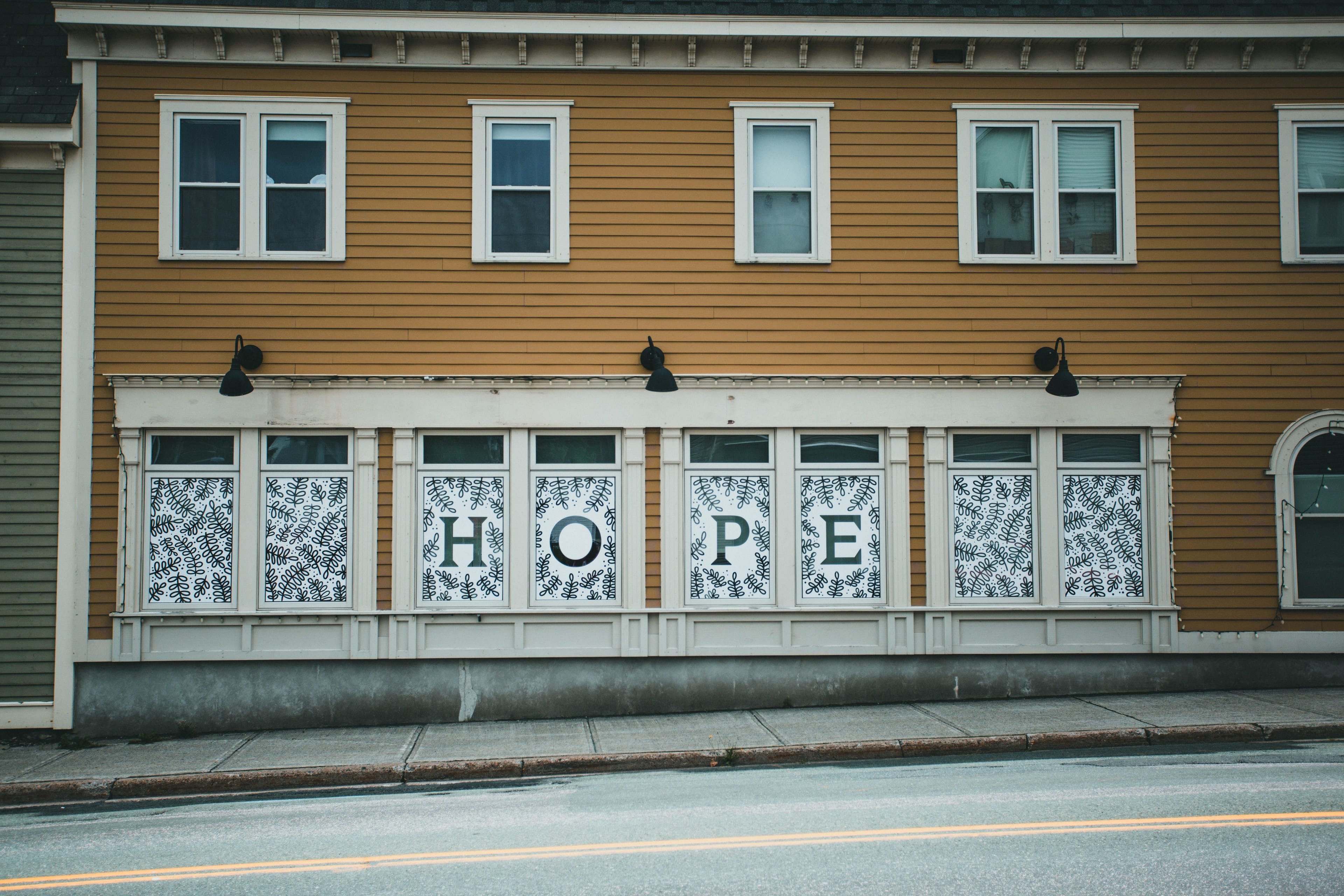
Hope is often treated as an emotional asset. It keeps people invested in plans, relationships, careers, recovery, and change. But if there is one thing that life teaches us definitively, it is that whatever you daydream about, whatever you expect to happen, the universe will always have different plans for you. So, when hope keeps you emotionally hooked to your plans, there is a strange paradox built into it. The more detailed and certain an expectation becomes, the more fragile the emotional outcome can feel when reality arrives differently.
This does not make hope irrational. It only shows that the mind does not respond to events alone. It responds to the gap between what we expected the outcome to be and what actually happened.
Neuroscience recognizes this parity with a special term: prediction error. The brain is constantly forecasting outcomes and adapting when reality confirms or contradicts those forecasts. A 2014 study published in PNAS found that momentary happiness was shaped not just by rewards, but by expectations and recent prediction errors. In other words, a good result can feel less satisfying when it was already expected, but a smaller result can feel surprisingly rewarding when it exceeds expectations.
Psychology has been circling this idea for decades. Neil Weinstein’s classic study on unrealistic optimism found that participants tended to see themselves as more likely than peers to experience positive life events and less likely to experience negative ones. Ask yourself truthfully: Have you ever thought that a bad thing will never happen to you?
Well, such optimism can be useful to an extent. It can support motivation and encourage risk-taking behaviour. But when it turns into emotional certainty, disappointment becomes easier to trigger. Epictetus wrote, “Men are disturbed not by things, but by the views which they take of things,” in The Enchiridion. The line remains relevant because expectation is a view placed on the future. It is not the event itself but the imagined version of it that carries emotional weight before anything has happened.
None of this means that expectations are bad. A reality where you don’t predict the next sequence of events would be flat, almost impossible to navigate. Goals require imagined futures. Relationships require trust. Planning requires the belief that certain actions may lead somewhere. The problem begins when hope becomes stubborn, almost like a contract with your daydreams that reality never signed.
Understand this: The expectation paradox is not when hoping for the best is wrong. It is the imagined best that your mind is married to, which can make ordinary reality feel like a failure. A balanced expectation leaves room for effort, surprise, delay and imperfection — all of which are welcomed emotions. Perhaps pessimism or forced positivity are not the only outcomes; one can choose a more flexible optimism: one that can adapt and look forward without demanding that life arrive in the exact shape you imagined.
About the author

Rutva Gadhavi
Advertising professional
India
Writer and Editor at Life Questioning
Your thoughts below
If something here resonated or challenged you leave a comment. We read every one.
Published
Sep 26, 2025
Updated
Sep 26, 2025
Author
Rutva GadhaviReading Time
4 min
Category
Emotional wellness
Related Articles

Sometimes Saying No is Better for Your Inner Peace
An article designed to help readers define the boundaries in their family, work and life and know when to say no to others.

When Letting Go Is the Braver Choice
Explore why letting go of control and outgrown versions of yourself is the bravest path to true happiness. A reflective guide to finding peace.
Will Weight Loss Change My Life?
Transformation does not only happen by losing weight: rather, it also grows from discipline, awareness, and self-respect that develop along the way.
Comments
Share your thoughts and join the discussion. All comments are anonymous.
No comments yet. Be the first to share your thoughts!
Related Articles
Sometimes Saying No is Better for Your Inner Peace
An article designed to help readers define the boundaries in their family, work and life and know when to say no to others.
When Letting Go Is the Braver Choice
Explore why letting go of control and outgrown versions of yourself is the bravest path to true happiness. A reflective guide to finding peace.
Will Weight Loss Change My Life?
Transformation does not only happen by losing weight: rather, it also grows from discipline, awareness, and self-respect that develop along the way.