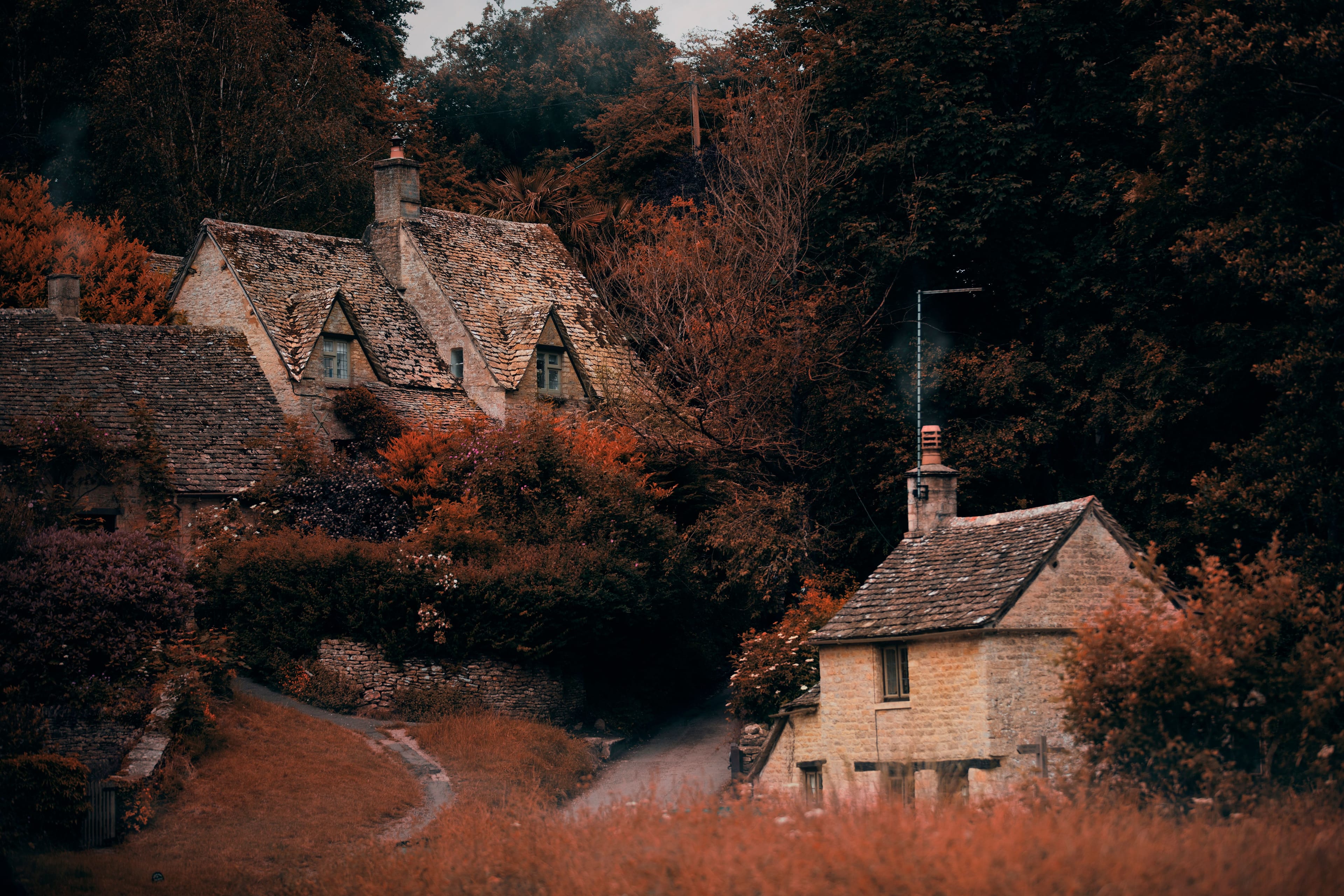
Image by Pexels


Summary:
Is the "slow life" all it's cracked up to be? A reflective look at why moving somewhere quiet is entirely possible—and still very hard.
Moving Somewhere Quiet is Possible and Still Hard
I have been thinking about what it means to truly be a homebody. Those downtime moments when you spend so much time in a space that doesn’t vibrate with the hum of a city, that you become “a part of the furniture.” We often treat the “slow life” like a destination, somewhere we can reach someday, if we just drive far enough away from the neon cityscapes. And it is entirely possible. Recent data suggests a steady trend of people trading their stuffy urban lives for the breathing room of rural landscapes. But while the move is a logistical reality, the transition is an emotional recalibration that many of us aren’t prepared for.
The suburban dream is seductive. Morning mists, no sirens, and a pace dictated by the sun rather than collective capitalist ambitions. We imagine that a change of place changes everything, assuming the silence will automatically translate into serenity. Physically, the shift is measurable. The World Health Organization notes that reducing chronic noise pollution can significantly lower stress levels and improve cardiovascular health. However, the part of the move that seems practical often involves the hard reality of limited infrastructure. When you transition to a slow life, not everything is within a stone’s throw away. It starts with the lack of a 24-hour pharmacy and ends with the sudden weight of being responsible for your own entertainment in a sleepy suburb.
Then there is the psychological “hard.” When the external noise stops, the internal dialogue tends to get much louder. Henry David Thoreau famously wrote in Walden, “I went to the woods because I wished to live deliberately,” yet even he admitted to the challenge posed by solitude. In the quiet, you are forced to look into the mirror and confront the one person you have been ignoring: yourself. Without the city's soundscape distracting you, every anxious thought and unresolved question finds itself under the spotlight with all the intentions of biding its time. The sound of silence makes one wonder—how do I distract myself from the slow life, which itself was a distraction from the things I want to escape?
Ultimately, moving somewhere quiet isn’t going to magically fix your modern burnout; it merely acts as a trade-off. You exchange the convenience of the crowd for the clarity of the clearing. It is possible to find that peace, but nothing comes easy, does it? That level of peace requires a willingness to sit with the discomfort that silence brings forth. The life we long for isn’t always found within different latitudes, but in the skill to find stillness regardless of our surroundings. Serenity, it seems, is less about the lack of noise and more about how we learn to live with the quiet.
Your thoughts below
If something here resonated or challenged you leave a comment. We read every one.
Published
Nov 14, 2025
Updated
Nov 14, 2025
Author
Lifequestioning teamReading Time
4 min
Category
Life transitions
Related Articles
Can Travel Help Me Breathe Through the Stress of Life?
Does travel actually cure burnout, or is it just a temporary escape? Explore how movement impacts your stress.

Are you stuck in your daily work? Why Starting Over Can Change Your Life
This article tells you to follow your passions, embrace change, and choose a life that feels right for you.

Is Travel the Only Answer when Life feels Overwhelming?
Does travel actually benefit you, or is it just a temporary escape? Dive into the article to get your answers.
Comments
Share your thoughts and join the discussion. All comments are anonymous.
No comments yet. Be the first to share your thoughts!
Related Articles
Can Travel Help Me Breathe Through the Stress of Life?
Does travel actually cure burnout, or is it just a temporary escape? Explore how movement impacts your stress.
Are you stuck in your daily work? Why Starting Over Can Change Your Life
This article tells you to follow your passions, embrace change, and choose a life that feels right for you.
Is Travel the Only Answer when Life feels Overwhelming?
Does travel actually benefit you, or is it just a temporary escape? Dive into the article to get your answers.