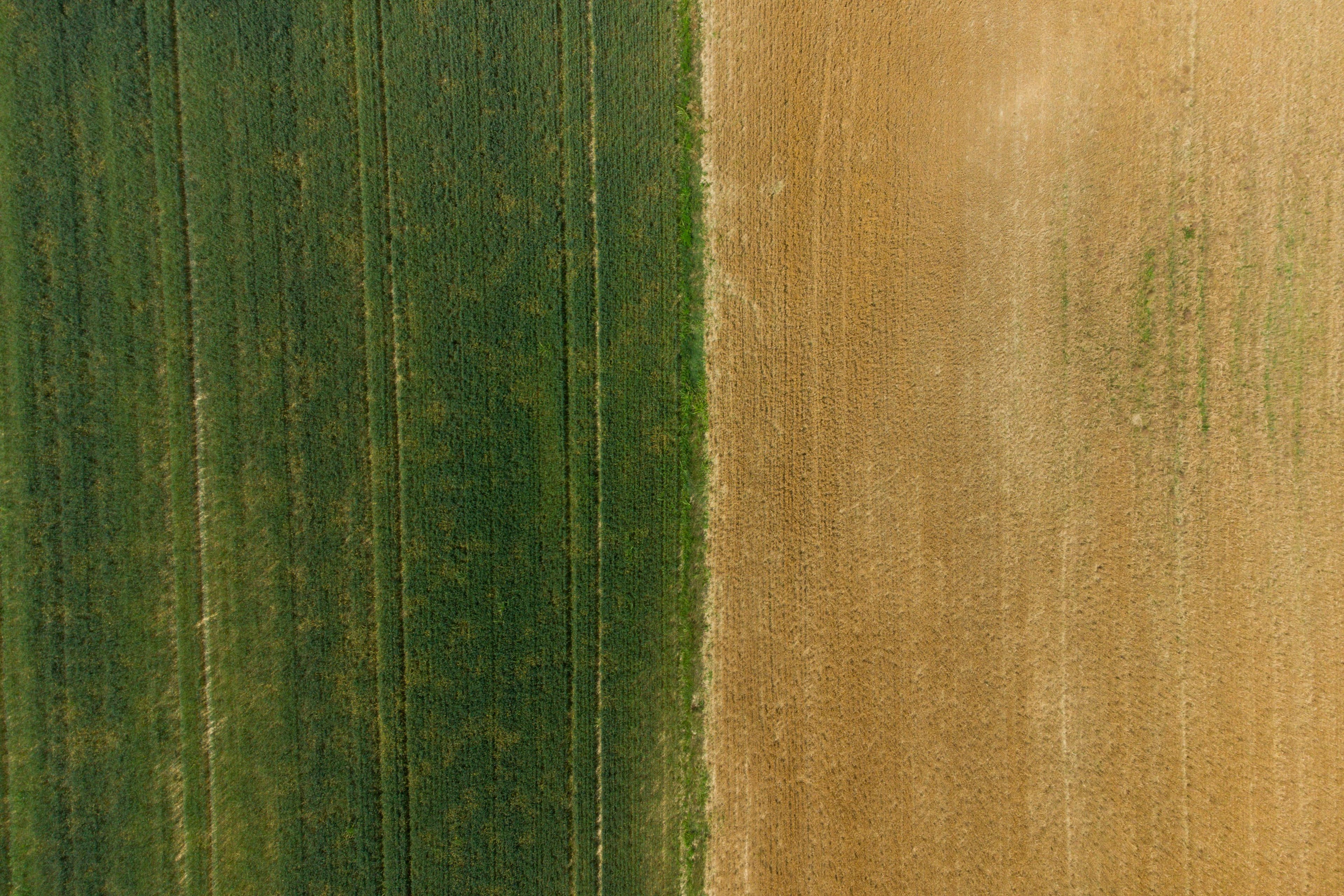
Image by Pexels


Summary:
The grass isn’t greener elsewhere, it’s better where it is watered. Stop comparing, start nurturing your own life, and fulfillment will follow.
Is the grass really greener on the other side—or where it is watered?
In a world where constant output and success seem to be the norm, it is not unusual to sometimes feel out of place or like you should be doing more or having more. When you’ve been working hard and hustling, as your social media influencers ask you to, it becomes difficult not to feel empty or even a little jealous when someone else seems to get to their success or goal faster. It becomes easier to compare what you have, or what you’ve been given, and slowly convince yourself that “the grass is greener on the other side.”
But is that really true? The phrase itself points to a deeply human tendency to envy or overvalue what others have, believing their situation is better than our own. What the phrase asks us to do is to challenge that perception and see it as the illusion it is. Because, from a distance, what others have, and we supposedly lack, will always seem more appealing than it actually is.
This tendency to compare ourselves to others is not something new. We’ve experienced and witnessed it all around us throughout our lives. It has been researched far and wide, and theories such as the Social Comparison Theory, first proposed by Leon Festinger, explain that we determine our own worth based on how we stack up against others. While in some cases it might motivate us to improve our skills and capabilities, most of the time it leads to dissatisfaction.
In today’s world, that comparison is constant. Social media, in particular, amplifies this effect. Studies have shown that frequent social media use is linked to increased feelings of jealousy and decreased life satisfaction, largely because we are exposed to very selective and highlighted versions of other people’s lives. We are not seeing the whole picture; we are seeing the best angles, the biggest wins, the moments they choose to share.
So it does not come as a surprise that what we have might start to feel inadequate.
But it is important to always remember that every patch of grass that is green requires an immense amount of effort. Maybe the grass looks greener simply because it has been watered, nurtured, and maintained well. Which means when we water our patches, they will be just as lush, if not more.
This shift in perspectives can be the step up in life that we need. Instead of asking whether someone else’s life is better, we could ask, "Am I doing the best of what I have?”
Because fulfillment rarely comes from constantly looking outward. It grows when we begin to invest in ourselves. When we focus on building our skills, nurturing our relationships, taking care of our mental and physical health, and aligning our lives with what genuinely matters to us, the sense of not having enough or being enough will slowly begin to fade.
Gratitude research has consistently shown that individuals who regularly reflect on what they already have tend to report higher levels of well-being and satisfaction. The simple act of noticing what we already have and trying to get better and improve ourselves, to find our purpose and move intentionally towards it, will help us see the abundance in our own field of grass.
When we shift our mindset to focus on nurturing our own skills, our own relationships, and our own goals, we begin to see that the best comparison we can make is between our old selves and our future selves.
The grass may appear greener elsewhere, but when you look beyond the illusion of comparative success, you’ll know that the grass is simply greener where it is watered with intention and purpose.
And it is important to always realize that instead of chasing greener pastures, what we truly need is to tend to the ground beneath our own feet with care and a sense of purpose.
About the author

Sinduja Sivarajah
Brand Strategist
I am a creative brand strategist and a curious doom-scroller who spends an unreasonable amount of time thinking about people, stories, and why we do the things we do. I write about the strange, funny, messy business of being human, and most times I'm still figuring it out myself.
Your thoughts below
If something here resonated or challenged you leave a comment. We read every one.
Published
May 08, 2026
Updated
May 08, 2026
Author
Sinduja SivarajahReading Time
4 min
Category
Self-reflection
Related Articles
The Life We Long For
Explore the quiet tug-of-war between the life we have and the life we imagine. A reflective look at longing in the modern world.

You’re Not Failing: Your Anger Might Be in the Way
Discover why the feeling of failure is often a symptom of unrecognized anger and how to restore cognitive flexibility to find your path forward.

What am I: Alone or Lonely?
Alone and lonely aren’t the same. Discover the difference and why enjoying your own company may be a sign of growth.
Comments
Share your thoughts and join the discussion. All comments are anonymous.
No comments yet. Be the first to share your thoughts!
Related Articles
The Life We Long For
Explore the quiet tug-of-war between the life we have and the life we imagine. A reflective look at longing in the modern world.
You’re Not Failing: Your Anger Might Be in the Way
Discover why the feeling of failure is often a symptom of unrecognized anger and how to restore cognitive flexibility to find your path forward.
What am I: Alone or Lonely?
Alone and lonely aren’t the same. Discover the difference and why enjoying your own company may be a sign of growth.