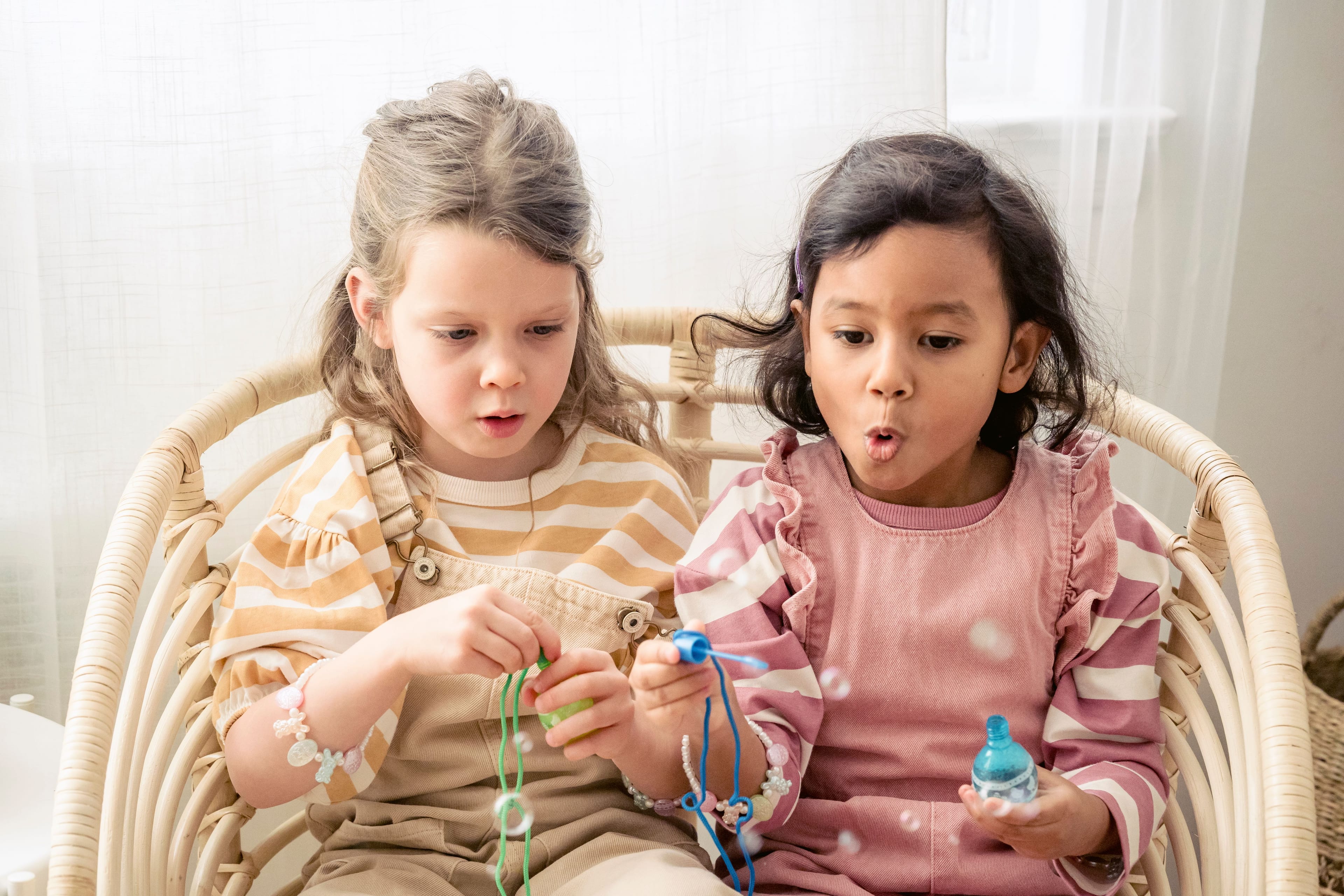
Image by Pexels


Summary:
Discover why hobbies and gentle busyness quietly shape a happier, more meaningful life.
A Secret to Being Happy is to Keep Ourselves Busy or Do our Hobby
Most of your adulthood is spent striking a functional balance between the desire for rest and the innate need for moment. In the quiet corridors of the mind, idle moments can sometimes feel less like peace and more like a vacuum. You know when you are sitting in utter silence, and your tinnitus seems to have sharpened its ring? Idleness lurks in the shadows of overthinking, and the hum of existential unease grows deafening.
There is an old proverb that fits this situation the best — that idle hands grow restless, and a restless mind tends to wander somewhere it ought not. Long before psychologists mapped the corners of the mind and humming MRI machines, the wrinkles of the brain, philosophers were already arguing about what to do with the long, unfilled hours of a human life. Voltaire’s line in Candide, with its expected edge, still rings true:
“Work spares us from three great evils — boredom, vice and need.”
He did not mean labour for its own sake. He meant the gentle occupation of the mind, the hands, and the hours. It is perhaps why the simple act of “doing” serves as such a potent, if overlooked, anchor for the spirit.
Modern science seems to nod along, slowly. A widely cited 2010 paper from the University of Chicago’s Christopher Hsee, titled “Idleness Aversion and the Need for Justifiable Busyness,” observed that people actively dislike doing nothing. Instead, they report higher moods when given even a small task to occupy them — even one with no obvious purpose. The mind, it appears, is uncomfortable in a vacuum. It wants somewhere to go, away from the annoying tinnitus.
Yet here the conversation deepens. Busyness alone is not the cure — there is an indisputable difference between the busyness that has been levied on you and the busyness that you chose out of your own volition. Ever wondered about the origin of the word hobby? It comes from “hobby horse,” a small wooden toy of medieval England. It was something that one rode for pleasure, not for transport. To have a hobby, then, is something purely out of joy, choosing an activity for what it offers the spirit rather than the wallet.
And the data agrees with the etymology. A Drexel University study found that just 45 minutes of art-making, regardless of skill level or prior experience, lowered cortisol levels in 75% of participants. The body, it seems, breathes easier when the hands are gently occupied with something chosen, not assigned.
When we paint the whole picture, it is evident that the mind seems happiest neither in raw idleness nor in the grinding crush of obligation. It thrives somewhere in between; somewhere in the gentle pull of an absorbing task chosen freely. But it doesn’t mean that you keep yourself physically and forcefully occupied at all times. Remember that taking a break is not idleness; it is the delicate art of resting and rejuvenating. So, the secret to being happy, if there is one, is not in being busy or still, but in being lovingly occupied.
About the author

Rutva Gadhavi
Advertising professional
India
Writer and Editor at Life Questioning
Your thoughts below
If something here resonated or challenged you leave a comment. We read every one.
Published
Jan 20, 2026
Updated
Jan 20, 2026
Author
Rutva GadhaviReading Time
4 min
Category
Emotional wellness
Related Articles

Why Do I Get Jealous Even When I Have Achieved So Much?
Jealousy may feel ugly, but it can reveal hidden desires, fears, and goals if we choose to understand it.

When Letting Go Is the Braver Choice
Explore why letting go of control and outgrown versions of yourself is the bravest path to true happiness. A reflective guide to finding peace.

Sometimes Saying No is Better for Your Inner Peace
An article designed to help readers define the boundaries in their family, work and life and know when to say no to others.
Comments
Share your thoughts and join the discussion. All comments are anonymous.
No comments yet. Be the first to share your thoughts!
Related Articles
Why Do I Get Jealous Even When I Have Achieved So Much?
Jealousy may feel ugly, but it can reveal hidden desires, fears, and goals if we choose to understand it.
When Letting Go Is the Braver Choice
Explore why letting go of control and outgrown versions of yourself is the bravest path to true happiness. A reflective guide to finding peace.
Sometimes Saying No is Better for Your Inner Peace
An article designed to help readers define the boundaries in their family, work and life and know when to say no to others.