
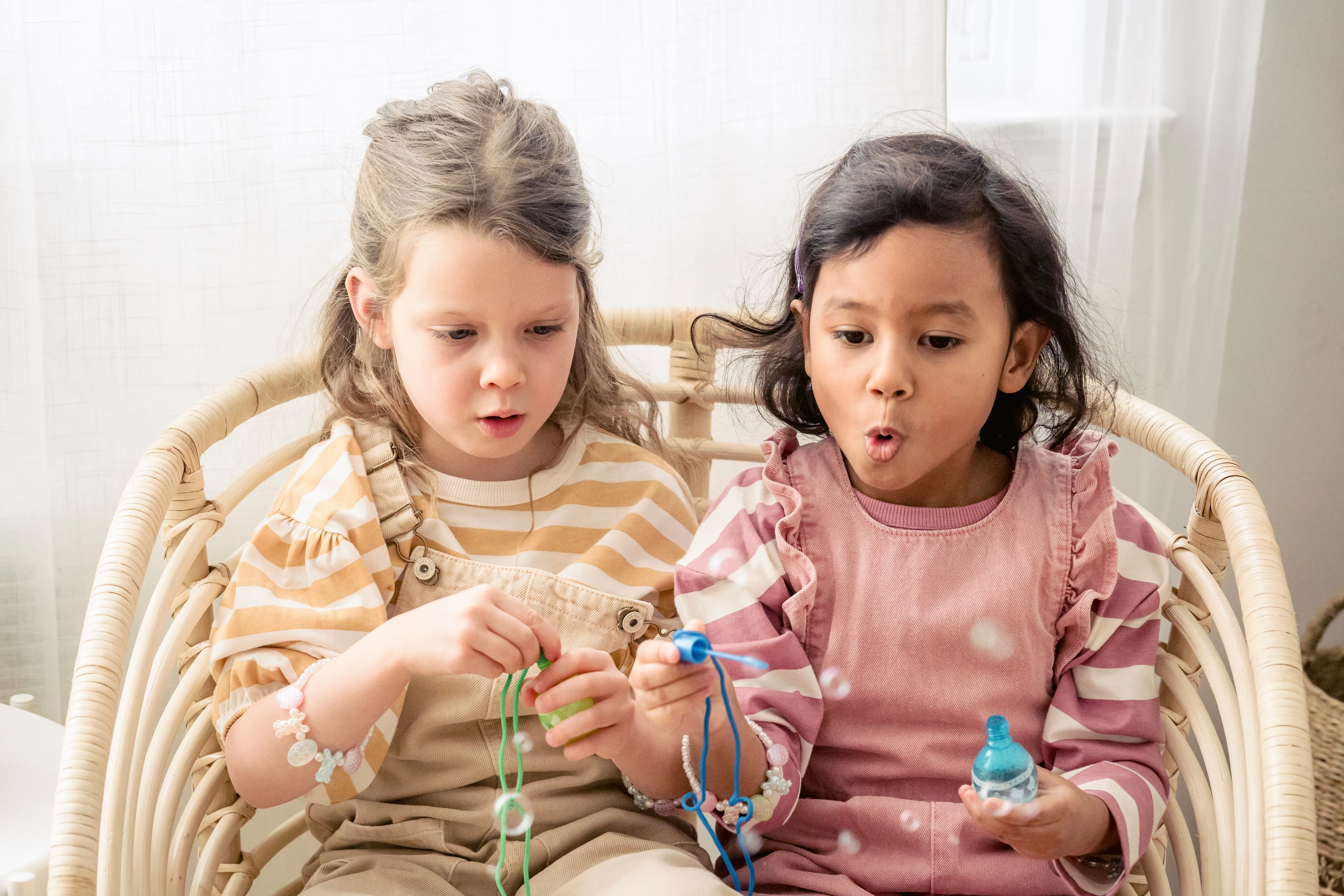
Image by Pexels


Summary:
Explore how neurological networks, social trust, and meaningful connections redefine what it means to be happy.
How Do I Get Happier?
Global metrics like the World Happiness Report often rank the world’s most content populations as if they were players on the scoreboard. For several years, countries like Finland have consistently taken the top spot, largely because of high social trust and strong community support. In these places, people generally believe in the kindness of strangers; in fact, experiments that include “lost” wallets found that they are returned far more often than people expect. Yet, even in these high-ranking societies, there is a constant pull toward comparing one's life to the idealized highlight reels found on social media. This creates a bit of a sociological puzzle: can a society be high-functioning while the individuals within it still feel a lingering sense of missing out? It leads to a quiet, persistent thought—does it feel as though everything would finally be fine if happiness were just… caught?
The brain, however, is a bit of a trickster. It is common to think of dopamine as the “happiness chemical,” but it is actually more about “wanting” than “liking.” It fires up during the anticipation of a reward, like the moment before buying a new gadget, rather than the actual lasting enjoyment of it. Real, sustainable well-being is actually tied to the slower chemistry of serotonin and oxytocin, which are built through social bonds and moments of rest. To make things more complicated, the human mind spends nearly 47% of its time wandering. This “background noise” of the brain, known as the Default Mode Network, often pulls people into rumination or comparison, which tends to lower the overall mood regardless of what is actually happening in the moment.
FINDING THE FLOW
Happiness often shows up invited when a person is completely absorbed in a task. This state, known as “flow,” happens when a challenge perfectly matches a persona’s skill level. Whether it is playing an instrument, gardening, or solving a complex problem, the reward comes from the activity of performing the task. In these moments, self-consciousness tends to disappear, and happiness becomes a byproduct of action rather than a goal.
PRIORITIZING MEANING OVER PLEASURE
There is a big difference between “hedonic” happiness (chasing quick pleasures) and “eudaimonic” well-being (living with purpose). While quick hits of joy are nice, they can be fleeting. Durable flourishing often comes from chasing goals that feel meaningful, adding to your character development, and contributing positively to the lives of others. It is the reason why difficult but meaningful work often feels more satisfying than an easy day of passive entertainment.
INVESTING IN PEOPLE
The longest study on adult life ever conducted found one clear winner for a “good life”: quality relationships. It turns out that being satisfied with one’s connections is a better predictor of long-term health than even physical markers like cholesterol. Loneliness, on the other hand, can be as taxing on the body as chronic habits like smoking. Warmth and trust in a relationship are not just “nice to have”; they are essential for keeping the spirit and body resilient.
TAKING THE WHEEL THROUGH AUTONOMY
People tend to feel much better when they have a sense of autonomy, the feeling that they have a choice over the actions and decisions in their lives and these decisions are aligned with their values. When individuals focus on building competence and making their own choices, they move away from the “unhappiness” of a wandering or controlled mind.
The search for happiness is less like a race and more like adjusting a lens. It involves moving away from the “wanting” of quick hits and leaning into the “being” found in deep work and deeper connections. When the focus shifts from catching a feeling to simply inhabiting the present moment, the urgency of the chase begins to fade.
About the author

Rutva Gadhavi
Advertising professional
India
Writer and Editor at Life Questioning
Your thoughts below
If something here resonated or challenged you leave a comment. We read every one.
Published
Sep 19, 2025
Updated
Sep 19, 2025
Author
Rutva GadhaviReading Time
5 min
Category
Emotional wellness
Related Articles

When Letting Go Is the Braver Choice
Explore why letting go of control and outgrown versions of yourself is the bravest path to true happiness. A reflective guide to finding peace.
A Secret to Being Happy is to Keep Ourselves Busy or Do our Hobby
Discover why hobbies and gentle busyness quietly shape a happier, more meaningful life.

When Everything Feels Like Too Much
Rest up before the crash. Regular short breaks often do better than rare desperate breaks.
Comments
Share your thoughts and join the discussion. All comments are anonymous.
No comments yet. Be the first to share your thoughts!
Related Articles
When Letting Go Is the Braver Choice
Explore why letting go of control and outgrown versions of yourself is the bravest path to true happiness. A reflective guide to finding peace.
A Secret to Being Happy is to Keep Ourselves Busy or Do our Hobby
Discover why hobbies and gentle busyness quietly shape a happier, more meaningful life.
When Everything Feels Like Too Much
Rest up before the crash. Regular short breaks often do better than rare desperate breaks.