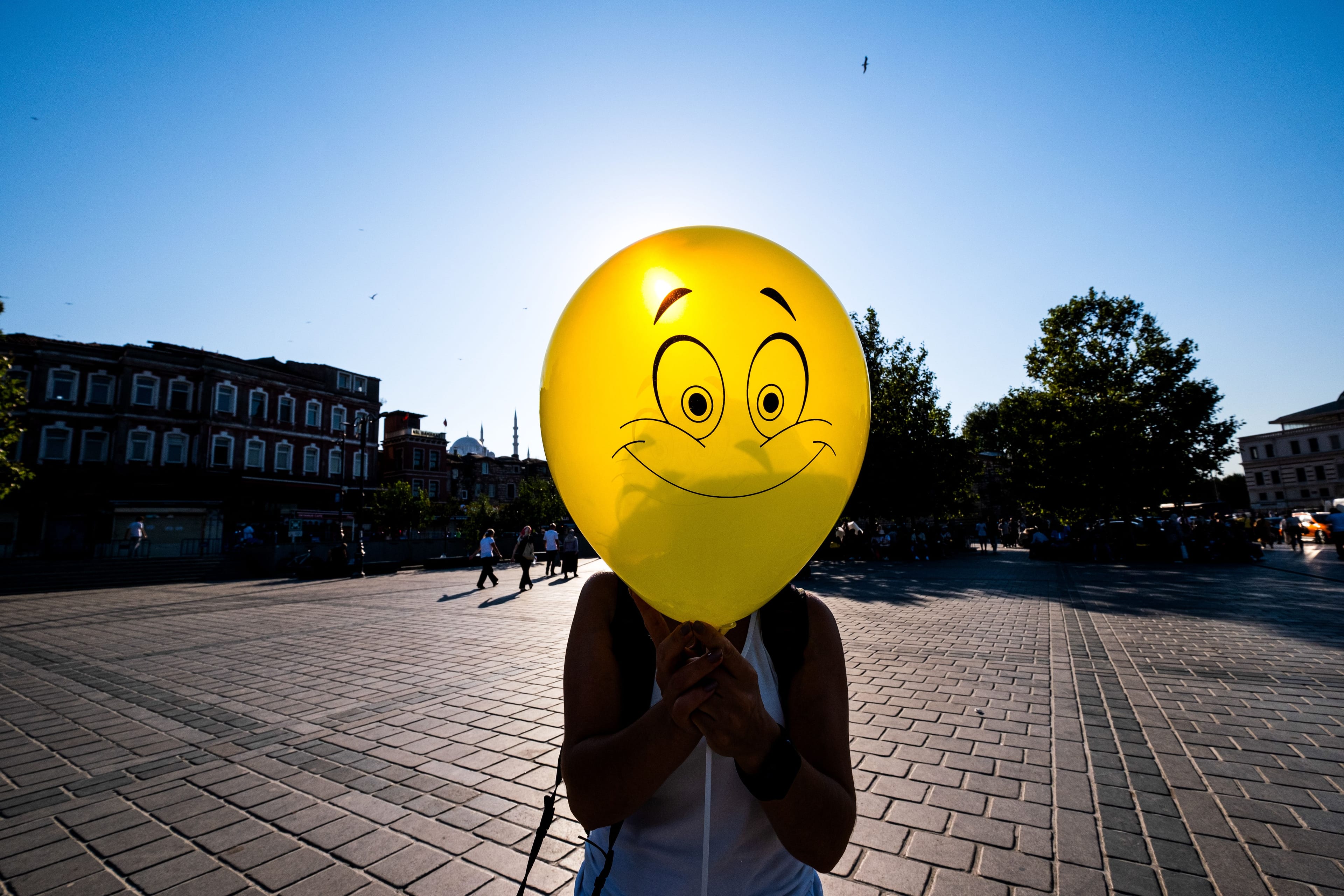
Image by Pexels


Summary:
True paradise isn’t constant pleasure; it comes from embracing all emotions, discovering yourself, and finding meaning in purpose.
Would Life Really Feel Like Paradise if We Were Always Happy?
Throughout most of our lives, we are in pursuit of happiness. It is sold to us in every shape and form—society tells us that succeeding in life will bring happiness; movies tell us that finding romance is the key to happiness; and brands tell us that buying their product or service is what true happiness looks like, as evidenced by the smiling faces on every poster. We are given study after study prescribing routines for maximum joy; influencers tell us what they did or did not do to discover ultimate happiness. Happiness indices, smiley meters, and “How are you?”s where you are expected to answer, “I’m good”—we are constantly being asked to measure how good we are feeling.
Naturally, it becomes deeply ingrained in us that the ultimate emotion to chase in life must be happiness. We try to do everything we want—or feel obliged to—in the hope that it will make us happy. But is it humanly possible to engage only in things that keep us happy all the time? Would constant happiness be the answer to all despair, making life feel like paradise?
Psychological studies suggest otherwise. In a 2014 study titled Desperately Seeking Happiness, researchers found that the relentless pursuit of happiness may itself be linked to depression. It suggests that the immense burden of being happy and constantly seeking it may, in fact, pull us toward the opposite end of the spectrum—burning us out or leaving us in states of disappointment and despair.
This, then, answers our question: would we feel as though we were in paradise if we were happy all the time? No. Chasing one emotion while neglecting the full spectrum that exists to help us live rich and complex lives is the wrong way to pursue happiness. All our emotions exist to help us understand who we are. Anger can reveal the causes we care deeply about. Guilt can remind us that we need to do better. Anxiety and fear are evolutionary signals urging us to protect ourselves. If we ignore them and continue to chase only happiness, the rest of our emotions will inevitably find a way to catch up with us.
It is also important to understand what experiences make our lives feel like they are worth living. Studies suggest that most answers fall into two broad categories: hedonic and eudaimonic. Hedonic experiences are those rooted in pleasure, such as indulging in your favorite dessert or binge-watching a beloved show. Eudaimonic experiences are rooted in meaning and purpose. The happiness that comes from feeling that your work or actions have had some positive impact on the world may be a truer measure of happiness than the endless pursuit of fleeting highs.
Living a good life, or one that feels like paradise, is not always about being happy. It is about discovering who we are and finding joy in our purpose.
About the author

Sinduja Sivarajah
Brand Strategist
I am a creative brand strategist and a curious doom-scroller who spends an unreasonable amount of time thinking about people, stories, and why we do the things we do. I write about the strange, funny, messy business of being human, and most times I'm still figuring it out myself.
Your thoughts below
If something here resonated or challenged you leave a comment. We read every one.
Published
Sep 08, 2025
Updated
Sep 08, 2025
Author
Sinduja SivarajahReading Time
4 min
Category
Life philosophy
Related Articles
Had money, did everything. Now What?
Money brings comfort, but not meaning—true fulfillment comes from purpose, connection, and how you live.

Is Life Short?
Even though life may feel short, there is always room to start something new again with more energy and happiness.

What Really Matters at the End and Why
At the end, love, truth, kindness, meaning, and gratitude matter more than success. Life’s deepest treasures are simple and quietly lasting.
Comments
Share your thoughts and join the discussion. All comments are anonymous.
No comments yet. Be the first to share your thoughts!
Related Articles
Had money, did everything. Now What?
Money brings comfort, but not meaning—true fulfillment comes from purpose, connection, and how you live.
Is Life Short?
Even though life may feel short, there is always room to start something new again with more energy and happiness.
What Really Matters at the End and Why
At the end, love, truth, kindness, meaning, and gratitude matter more than success. Life’s deepest treasures are simple and quietly lasting.