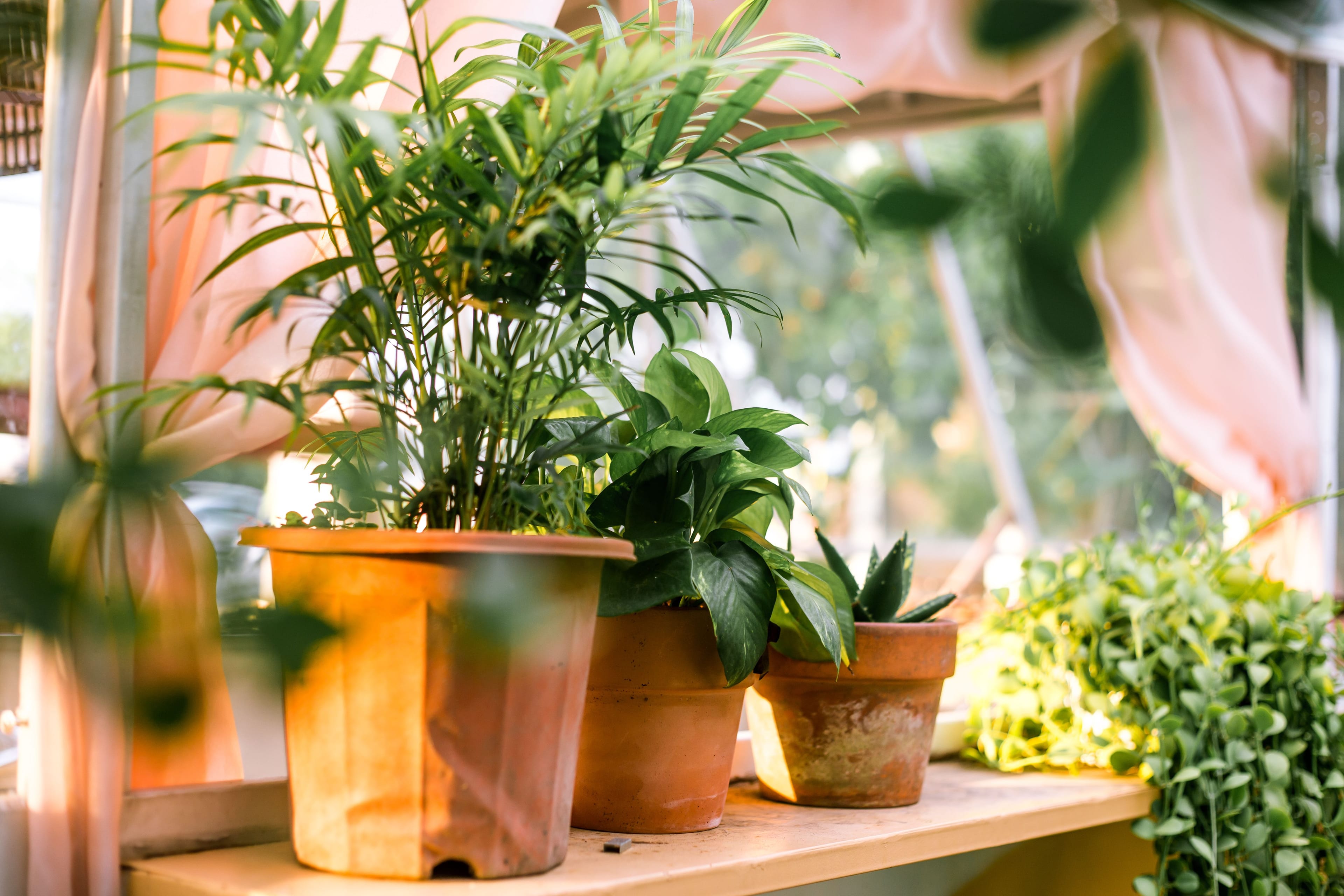
Image by Pexels


Summary:
This article explores how incorporating living plants and natural light into your home can uplift mood and create a sense of calm.
How Plants and Natural Light at Home Can Improve Mood
Plants bring a quiet kind of company. A leaf unfolding. A stem pointing to the sun. A little splash of green on the table. They show that life keeps going, though we feel stuck. And caring for a plant gives the day a rhythm. Add water, wipe a leaf, turn the pot, and watch it grow. Tiny tasks that say, “I am here; I can tend to something.” That sense of tending can steady the mind.
Natural light does something similar for our inner peace and health. Morning light tells the body to wake, and night light shows it to rest. Sun on the floor. A bright corner by the window. A pale sky on a cloudy day. These subtle changes in light help time feel real again. When time feels real, the mind often feels less lost.
Benefits of Houseplants
Greenery in your surroundings can instantly boost your mood naturally. The major advantage of having indoor plants is that they remove harmful toxins from the atmosphere. This helps purify the air in your surroundings. The NASA Clean Air Study (1989) found that certain indoor plants can naturally remove volatile organic pollutants from the air; they absorb carbon dioxide and release oxygen.
Having plants in your home can help reduce anxiety levels and make you feel more relaxed and soothing. It creates a peaceful environment at home. A study published in the Journal of Physiological Anthropology found that participants who engaged with plants experienced lower levels of stress, as these plants improve cortisol levels in the body.
They help in the relief of certain allergies, sore throat, cold and cough. Hospital studies found that many plants have therapeutic properties and help patients heal faster in case of illness.
Top Indoor Plants to Transform Your Mood
You can put some low-maintenance plants such as snake plant, ZZ plant, or pothos. Despite missed waterings and uneven lighting, they thrive in the environment. They become your forgiving companions. You can use a spider plant or an areca palm in your home, as they are natural air purifiers. Small parts of the bamboo palms and money plant help improve focus and function, making them best for home offices.
Some plants help reduce your anxiety. For example, a review published on PubMed found that passion flower and peace lilies are good for your mental health. Some plants like chamomile, rosemary or lavender simply make you feel happy because of their aromatic fragrance.
Small Shifts to let in Light and Greenery
Not sure where to begin? No worries, start with small things. Open the curtains soon after waking up. Let the natural light touch your face. Move a chair closer to a window and create a bright corner for tea, reading, or a quiet pause. You can also place a glass opposite a window so the light can travel further into the room. Turn care into a gentle ritual by watering your plants and rotating the pots by a quarter each week. You will start to notice new leaves the way you’d notice good news. Keep your green friends near the brightest spot.
Let the green in. Let the light in. Little by little, your home can teach your heart to grow toward brightness. You don’t need a garden or a wide balcony to begin. One pot on a sill. One leaf reaching. One curtain drawn back. Allow your home to teach you how to grow toward the light gradually.
Start your green journey today!
About the author

Mayuri Talia
MHRM, Senior Content Writer
India
Creativity never takes a day off with me.... Hi, I’m Mayuri – a seasoned Content Writer with 10+ years of experience turning ideas into powerful words that connect, convert, and inspire. As a former freelance writer with the Times of India, author of two published books, and content lead for one of India’s top overseas education consultancies, I specialise in crafting compelling, SEO-optimized content that aligns with brand voice, drives traffic, and builds credibility.
Your thoughts below
If something here resonated or challenged you leave a comment. We read every one.
Related Articles

How War Affects Mental Health (Even If You’re Not Directly Involved)
Explore how witnessing distant conflict affects mental health and learn practical ways to transform "psychic numbing" into meaningful compassion.

Why do I Feel Lonely?
Explore the history, psychology, and philosophy of loneliness. Discover why this modern epidemic is a reflection of our "liquid" world.
Comments
Share your thoughts and join the discussion. All comments are anonymous.
No comments yet. Be the first to share your thoughts!
Related Articles
How War Affects Mental Health (Even If You’re Not Directly Involved)
Explore how witnessing distant conflict affects mental health and learn practical ways to transform "psychic numbing" into meaningful compassion.
Why do I Feel Lonely?
Explore the history, psychology, and philosophy of loneliness. Discover why this modern epidemic is a reflection of our "liquid" world.