
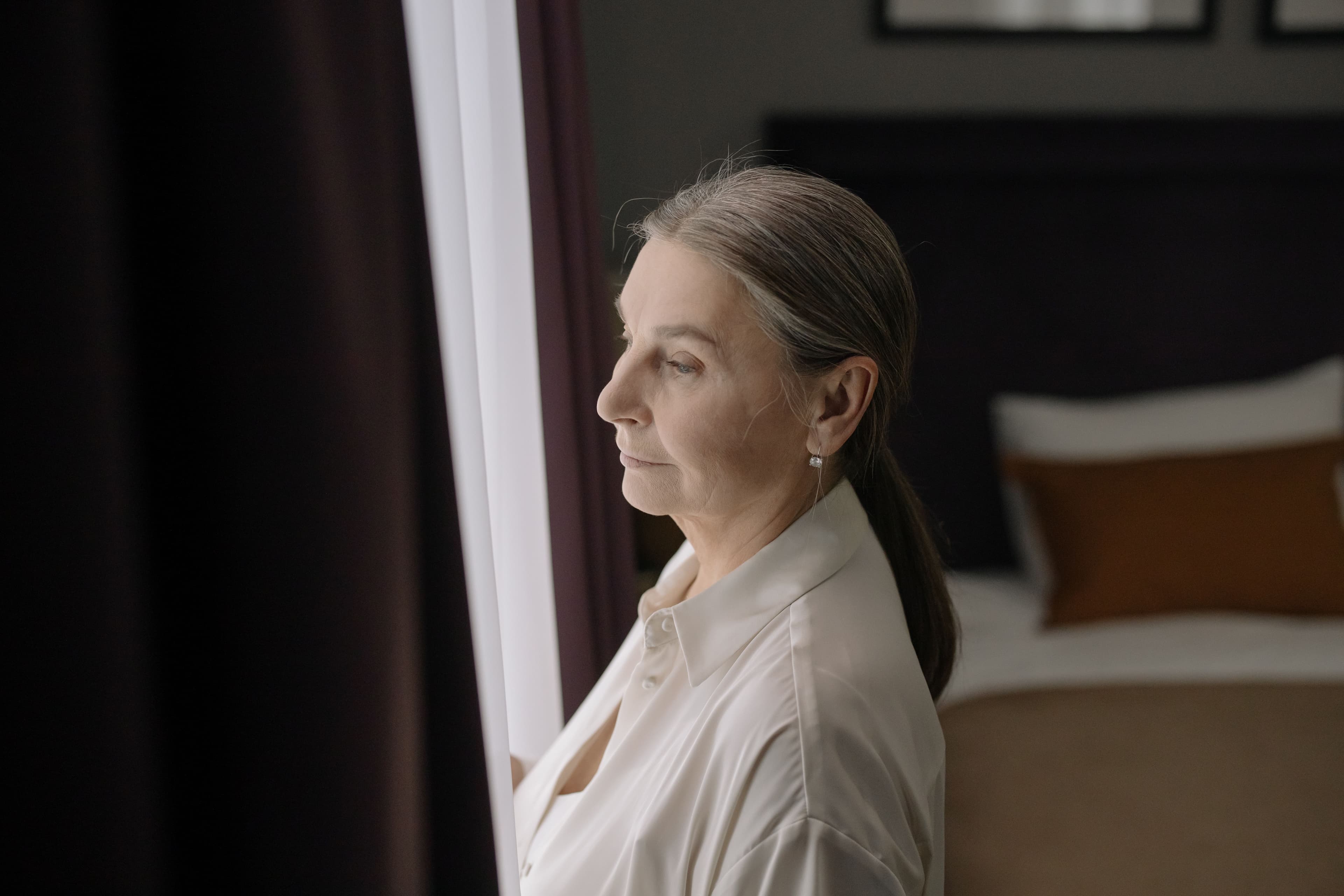
Image by Unsplash


Summary:
Explore the tension between modern productivity and the human need for joy. A poetic look at leisure guilt and the biology of play.
Can or Should I Have Fun, Too?
There is a peculiar weight to the afternoon sun when it catches a person sitting still. In a world that vibrates with the frantic energy of the “always-on” economy, a moment of unscripted leisure can feel less like a reprieve and more like a transgression. The clock ticks with a heavy, judgmental rhythm, suggesting that every hour not mined for professional or personal growth is an hour wasted. This obsession for productivity and the guilt that follows isn’t merely a mood; it is the byproduct of a culture that has replaced the “human being” with the “human doing.”
As Henry David Thoreau once mused, “It is not enough to be industrious. So are the ants. The question is: What are we busy about?”
We hear moral discourse on the tension between play and productivity, but we rarely see how it affects the biology of the brain. When the mind is trapped in monotony and burdened with producing a loop of perpetual output, the prefrontal cortex, also known as the centre of executive function, becomes fatigued. Research from the National Institute for Play indicates that a “play deprivation” can be as harmful to human health as a lack of sleep, leading to diminished creativity and heightened emotional fragility, among other things. On the other hand, the opposite stands true that the act of engaging in a hobby builds up neural resilience and shouldn’t be viewed as an activity that wastes time. Be it aimlessly picking up a canvas and your brushes, returning to a book you abandoned eons ago, or unspooling the yarn for a crochet project, every activity aimed at stimulating the creative mind helps.
Let’s let the data points do the real talk. Chronic stress from the “all work and no play” correlates with elevated cortisol levels, which can physically change the brain’s architecture over time. Taking up a hobby is often viewed as a luxury in this capitalist environment, yet it serves as one of the crucial ways to stimulate neuroplasticity, a phenomenon allowing the mind to repair itself through the simple act of being present without any time constraints. The “guilt of joy” that paralyzes you while you are having fun is a byproduct of an era that viewed rest as a weakness rather than a biological need.
Ultimately, the stars do not apologize for shining without a purpose, and the tide does not seek permission to retreat. The soul requires a space where the currency isn’t achievement, but wonder. Leisure is not a reward for work completed; it is the soil in which the work itself is grown. In the end, the question is not whether one is allowed to have fun, but whether one can afford the cost of a life lived without it.
About the author

Mayuri Talia
MHRM, Senior Content Writer
India
Creativity never takes a day off with me.... Hi, I’m Mayuri – a seasoned Content Writer with 10+ years of experience turning ideas into powerful words that connect, convert, and inspire. As a former freelance writer with the Times of India, author of two published books, and content lead for one of India’s top overseas education consultancies, I specialise in crafting compelling, SEO-optimized content that aligns with brand voice, drives traffic, and builds credibility.
Your thoughts below
If something here resonated or challenged you leave a comment. We read every one.
Related Articles
Am I Living My Life or Someone Else’s?
It reminds us that authentic living is not rejection of others—it’s the integration of both love for self and love for community.

Am I Just Too Nice?
This article explains that kindness is not weakness but strength. It is rooted in authenticity.

How do I Realize My Full Potential and Recognize My Limits?
Let’s explore what we truly mean by “full potential,” and how to recognise the limits we meet on the path toward it.
Comments
Share your thoughts and join the discussion. All comments are anonymous.
No comments yet. Be the first to share your thoughts!
Related Articles
Am I Living My Life or Someone Else’s?
It reminds us that authentic living is not rejection of others—it’s the integration of both love for self and love for community.
Am I Just Too Nice?
This article explains that kindness is not weakness but strength. It is rooted in authenticity.
How do I Realize My Full Potential and Recognize My Limits?
Let’s explore what we truly mean by “full potential,” and how to recognise the limits we meet on the path toward it.