
Image by Pexels


Summary:
Does travel actually cure burnout, or is it just a temporary escape? Explore how movement impacts your stress.
Can Travel Help Me Breathe Through the Stress of Life?
We often treat travel like a “reset” button, hoping a change in latitude will automatically fix a change in attitude. But the true power of movement isn’t just in the destination; it is in the way it forces us to inhabit the present moment.
Routine is the silent killer of perspective.
When every day looks the same, your brain starts to tunnel-vision on small annoyances. Travel aids “neuroplasticity,” your brain's natural ability to rewire itself when forced to process new sights, smells, and sounds. It is why you feel “lighter” when you are walking down a street you have never seen. It is not that your problems are done; it is just that your brain is finally busy with something other than ruminating on them.
From a purely biological standpoint, there is a real argument for just moving your body out of its current environment. When you are stressed at home, your surroundings become “anchors” for that stress. And, stepping away is one of the ways to break that cycle. Scientists often point out that even a few days of novelty can drop your stress hormones. You aren't necessarily solving the problem, but you are giving your body a 72-hour ceasefire.
Also, there is something deeply peaceful about being a nobody in a foreign city. At home, you are limited to being someone’s employee, someone’s sibling, or a friend with certain expectations. But travel strips that away. The minute you board that flight, you aren’t your job title. You are just an individual looking at a statue or hiking on a hill. This “identity vacation” allows your brain to stop performing.
We have to be honest: sometimes travel is just a high-end way of running away. There is a perspective that says if you are using a trip to avoid a conversation, a breakup, or a career crisis, you are just carrying the weight in a more expensive bag.
The stress doesn’t disappear; it waits for you at the arrivals gate when you return.
In this view, travel is a temporary anesthetic. It feels good while you are under the effect, but when you come out of it, the moment you return home, it can actually make the original stress feel heavier because you have had a taste of a life without it.
If we look at travel as a cure, it is bound to be a disappointment. But if we shift our perspective and look at travel as a “rhythm,” it becomes more about maintenance. It is not a one-time surgery; it is more like a regular oil change for your mind’s motor.
So, can travel help you breathe? Probably. But maybe not in the “Insta-perfect” way we are told.
The goal here isn’t to find a world without stress, but to find a version of yourself that remembers how to breathe, even when things get loud and chaotic.
About the author

Yamini Mohta
ESL Trainer
India
I am a postgraduate in English Literature with a strong interest in language, communication, education, and professional development. I currently work as an ESL Trainer, where I help students develop their spoken English, communication skills, and overall confidence. Alongside teaching, I work on Statement of Purpose (SOP) writing and contribute to the U.S. visa department, assisting with documentation and applications related to family visits, business travel, student visas, and tourism. My academic background in English Literature has strengthened my abilities in critical thinking, research, writing, and effective communication. I enjoy working with people, understanding their individual goals, and helping them express themselves with greater clarity and confidence. I am particularly interested in opportunities that allow me to combine my strengths in communication, education, writing, and people management while continuing to grow professionally.
Your thoughts below
If something here resonated or challenged you leave a comment. We read every one.
Related Articles

Should I Follow My Dream or My Responsibilities?
A heartfelt reflection on the tug-of-war between dreams and responsibilities, when a small step doing what we love can bring quiet fulfilment.
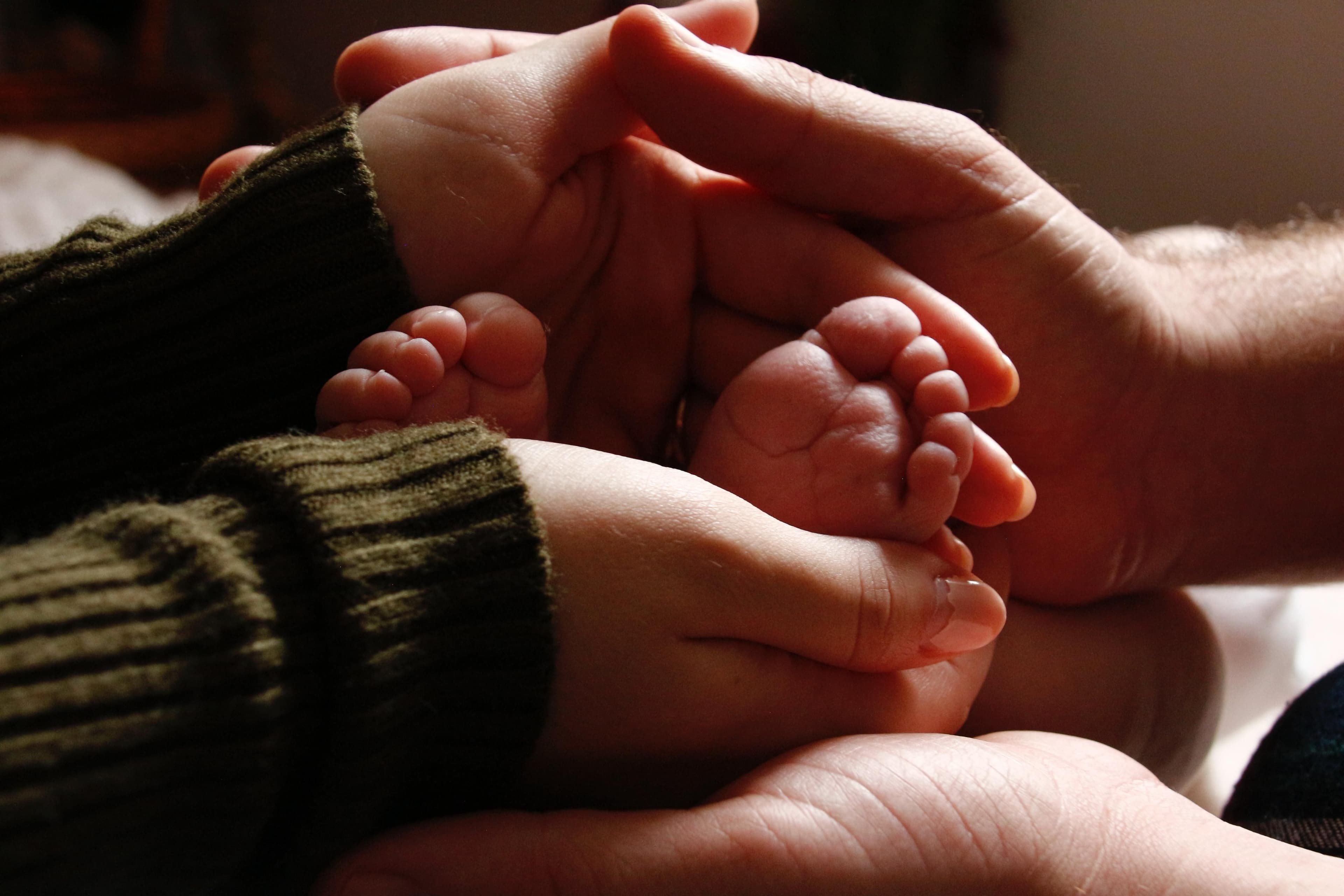
Should I Have My Children?
Should you have kids? Join the conversation as we dive deep into the identity shifts and personal truths behind the decision to parent.

Is Travel the Only Answer when Life feels Overwhelming?
Does travel actually benefit you, or is it just a temporary escape? Dive into the article to get your answers.
Comments
Share your thoughts and join the discussion. All comments are anonymous.
No comments yet. Be the first to share your thoughts!
Related Articles
Should I Follow My Dream or My Responsibilities?
A heartfelt reflection on the tug-of-war between dreams and responsibilities, when a small step doing what we love can bring quiet fulfilment.
Should I Have My Children?
Should you have kids? Join the conversation as we dive deep into the identity shifts and personal truths behind the decision to parent.
Is Travel the Only Answer when Life feels Overwhelming?
Does travel actually benefit you, or is it just a temporary escape? Dive into the article to get your answers.