Image by Pexels


Summary:
Discover practical methods to find a hobby that fits your life and makes you feel alive. Stop searching, start doing.
How Do I Find the Right Hobby to Feel Full and Truly Alive?
Most articles tell you why you need a hobby. This one is different. This article is for people who feel a quiet void in their lives. You might have tried your hand at a few things that didn’t satisfy your creative needs, and you find yourself feeling vaguely guilty for scrolling through other people’s passion projects. If you are seeking a real method to find what makes you feel truly alive, start here.
Use Your Childhood as a Diagnostic Tool
Think back to ages seven through twelve - before you started worrying about being “impressive.” That version of you will give you an honest answer about what truly engages you. Ask yourself these 3 specific questions:
What did you do that made you lose track of time?
What did you do that no one asked you to?
What did you quietly wish you could do more of?
Make, Move, or Connect - Your Choice!
Most fulfilling leisure activities fall into one of the three fundamental categories of human need, and what you resonate with is most likely your dominant need. So, what are these three categories:
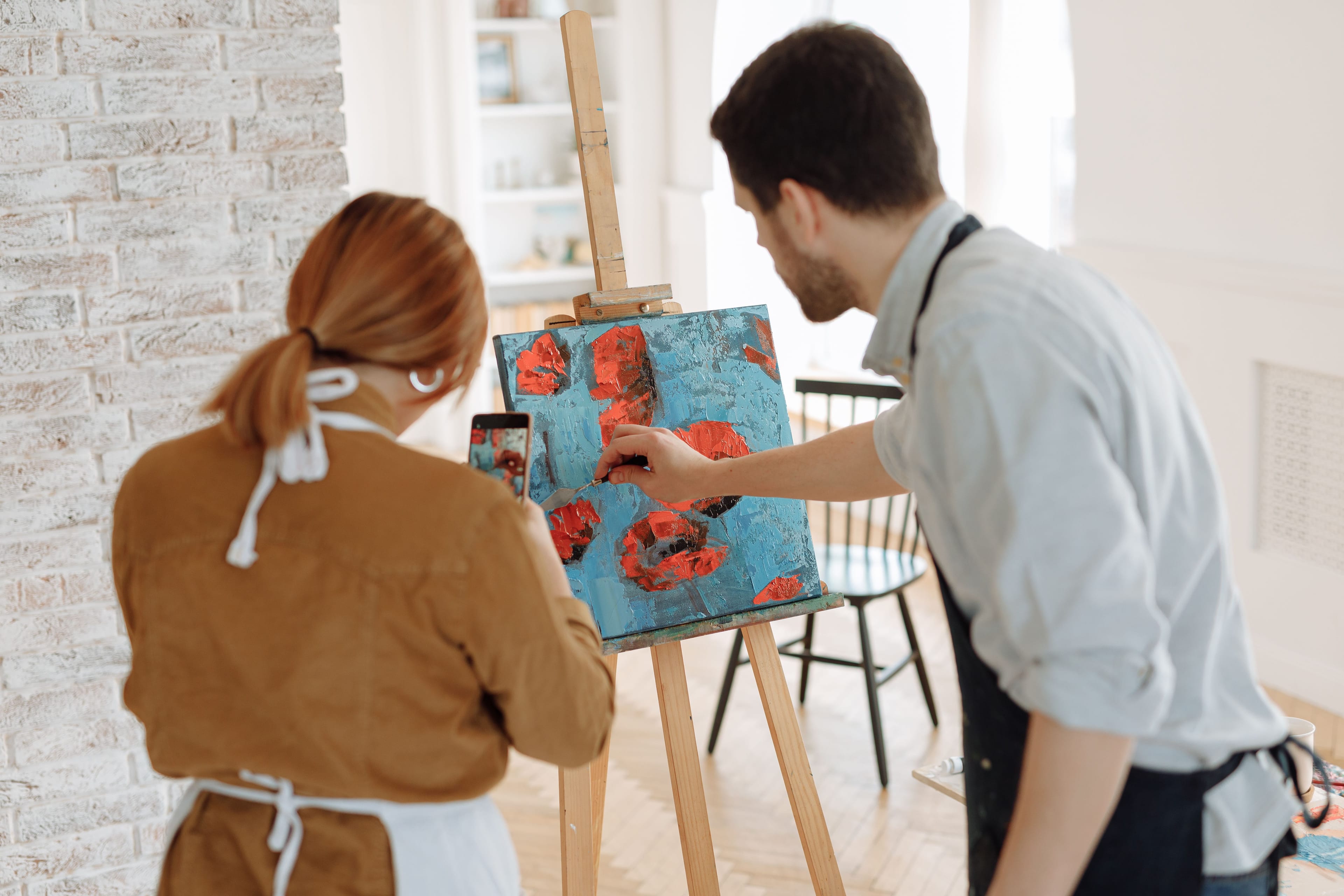
Making: You crave a tangible outcome. Think cooking, painting, writing, or knitting.
Moving: You engage through the body. If you are fond of running, climbing, dancing, and swimming, moving is your dominant human need that makes you happy.
Connecting: You require interaction with your community or a group of people, and feel most alive when your energy is part of something shared. Being part of team sports, book clubs, and volunteering are some ways you fulfil your need to connect.
The key is to identify your primary category first, then explore specific activities within it, rather than scanning the overwhelming landscape of everything.
The 20-hour Litmus Test
One common reason people fail to find a lasting hobby is that they either quit too early or commit too heavily before they know whether it fits. Author Josh Kaufman, a researcher in the field of skill acquisition, found that when you give roughly 20 hours to test an activity, you can map the shift from initial frustration to genuine engagement. This time frame is the sweet spot to move past the initial awkwardness and short enough that you have not invested years doing the wrong thing. By the end of these 20 hours, you will know if you want to come back to the activity for more.
Remember this: you are not looking for a perfect hobby that will fit a freer, emptier version of your lifestyle that you will have someday. You are looking for a sustainable activity that fits the life that you presently lead. Start small, pay attention, and trust the quiet signals more than the loud ones.
About the author

Rutva Gadhavi
Advertising professional
India
Writer and Editor at Life Questioning
Your thoughts below
If something here resonated or challenged you leave a comment. We read every one.
Related Articles

Can or Should I Have Fun, Too?
Explore the tension between modern productivity and the human need for joy. A poetic look at leisure guilt and the biology of play.

How do I Realize My Full Potential and Recognize My Limits?
Let’s explore what we truly mean by “full potential,” and how to recognise the limits we meet on the path toward it.

Is It OK to Dine Alone? (Yes, and Here's Why)
Dining alone isn’t lonely—it’s empowering. Learn to enjoy your own company and find confidence in solitude.
Comments
Share your thoughts and join the discussion. All comments are anonymous.
No comments yet. Be the first to share your thoughts!
Related Articles
Can or Should I Have Fun, Too?
Explore the tension between modern productivity and the human need for joy. A poetic look at leisure guilt and the biology of play.
How do I Realize My Full Potential and Recognize My Limits?
Let’s explore what we truly mean by “full potential,” and how to recognise the limits we meet on the path toward it.
Is It OK to Dine Alone? (Yes, and Here's Why)
Dining alone isn’t lonely—it’s empowering. Learn to enjoy your own company and find confidence in solitude.